
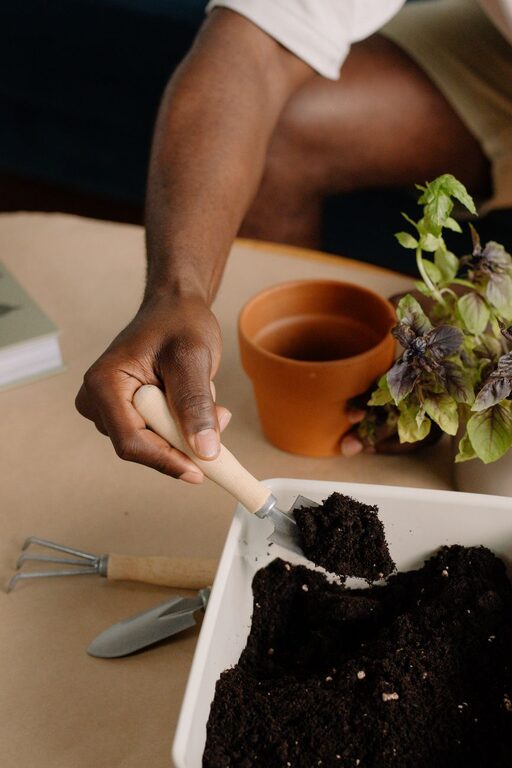
Starting a small herb garden indoors is a rewarding and enjoyable way to bring fresh flavors into your kitchen. Whether you have limited outdoor space or want to grow herbs year-round, an indoor herb garden can thrive with the right setup and care. This guide will walk you through everything you need to know to get started, from choosing plants to maintaining your garden.
Why Grow Herbs Indoors?
Growing herbs indoors offers several benefits:
– Freshness: Harvest herbs as needed for cooking and garnishing.
– Convenience: Easily accessible on your windowsill or countertop.
– Year-round gardening: No need to wait for outdoor growing seasons.
– Air quality: Some herbs help freshen and purify indoor air.
With these advantages, creating your own indoor herb garden makes delicious cooking easier and greener living more enjoyable.
Choosing the Right Herbs
Not all herbs are equally suited for indoor growth. Some popular and easy-to-grow options include:
– Basil: Loves sunlight and warmth.
– Mint: Grows quickly and tolerates partial shade.
– Parsley: Prefers moderate sunlight and consistent moisture.
– Thyme: Requires plenty of light and well-drained soil.
– Chives: Adaptable and adds a mild onion flavor.
– Cilantro: Prefers cooler temperatures and bright light.
– Oregano: Needs good airflow and direct sunlight.
Choose herbs you frequently use in cooking or those that thrive in indoor conditions based on your available light.
Selecting Containers and Soil
Containers
Herbs grow best in containers with good drainage. Consider:
– Pots with drainage holes to prevent waterlogging.
– Containers sized between 4 to 6 inches wide for individual plants.
– Lightweight materials like plastic, ceramic, or terracotta.
– Self-watering pots for low-maintenance care.
Soil
Use a high-quality potting mix designed for indoor plants. Avoid garden soil as it may hold too much moisture and lack nutrients. Look for a mix that:
– Drains well but retains enough moisture.
– Is light and fluffy to promote root growth.
Finding the Perfect Spot
Light is the most critical factor for successful indoor herb gardening.
– Sunlight: Most herbs need 6 to 8 hours of bright, indirect sunlight daily.
– Windowsills: South or west-facing windows provide the best light.
– Supplemental light: If natural light is limited, consider using fluorescent or LED grow lights for 12–14 hours a day.
Make sure to keep herbs away from drafts or heat sources like radiators.
Planting Your Herb Garden
Starting from Seeds or Seedlings
– Seeds: Follow packet instructions for planting depth and spacing. Start seeds indoors 6-8 weeks before the last expected frost if transplanting outside later.
– Seedlings: Buying young plants from a nursery is a convenient shortcut.
Planting Steps
- Fill the container with potting mix up to about an inch below the rim.
- Moisten the soil lightly before planting.
- Plant seeds or seedlings according to recommended spacing.
- Label each container to remember which herb is which.
- Water gently to settle the soil.
Caring for Your Indoor Herb Garden
Watering
– Water when the top inch of soil feels dry.
– Avoid overwatering to prevent root rot.
– Use room temperature water.
Feeding
– Use a balanced, water-soluble fertilizer every 4-6 weeks during the growing season.
– Follow package instructions to avoid overfeeding.
Pruning and Harvesting
– Regularly pinch back growing tips to encourage bushier growth.
– Harvest leaves by cutting just above a leaf node.
– Avoid removing more than one-third of the plant at a time to keep it healthy.
Pest Control
Indoor herb gardens are usually pest-free, but occasional issues can arise.
– Inspect plants regularly for pests like aphids or spider mites.
– Wipe leaves gently with a damp cloth or use insecticidal soap if necessary.
– Keep plants clean and avoid overcrowding.
Troubleshooting Common Problems
– Yellowing leaves: May indicate overwatering or lack of nutrients.
– Leggy plants: A sign of insufficient light; try moving herbs closer to a light source.
– Wilting: Usually due to underwatering or root damage.
– Powdery mildew: Avoid high humidity and ensure good air circulation.
Tips for Success
– Rotate pots weekly for even light exposure.
– Group herbs with similar needs together.
– Use small trays or plates under pots to catch excess water.
– Keep a gardening journal to track watering and growth.
Conclusion
Starting an indoor herb garden is easier than you might think and brings fresh, aromatic herbs right to your fingertips. With careful selection of herbs, proper containers, good lighting, and regular care, you can enjoy a thriving green space in your home. Whether you’re cooking, crafting, or gifting, your indoor herb garden will add flavor and charm year-round.
Happy gardening!