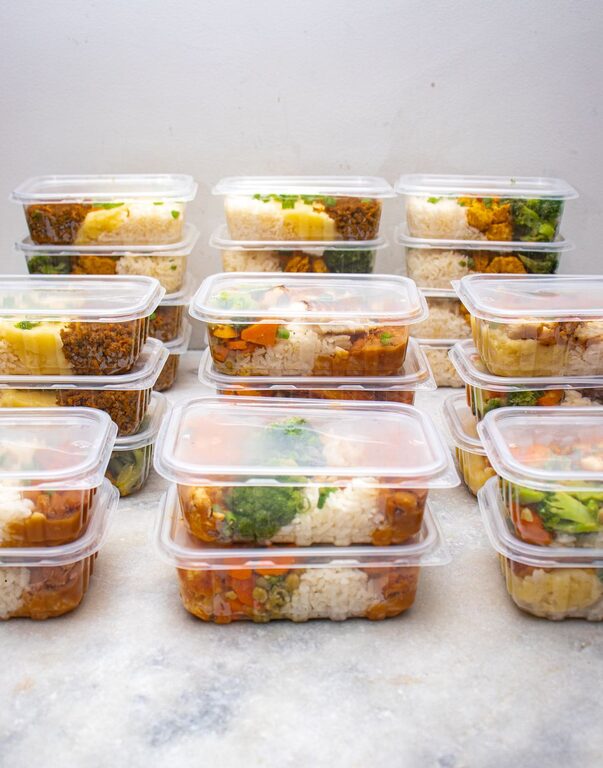

Planning your meals for the week can seem like a daunting task, but it doesn’t have to be! A simple weekly meal plan helps you stay organized, eat healthier, and reduce last-minute cooking stress. Whether you’re cooking for yourself, a family, or a group of friends, meal planning can simplify your routine and make grocery shopping more efficient.
In this guide, we’ll walk you through how to create an easy weekly meal plan that fits your lifestyle.
Why Create a Weekly Meal Plan?
Before diving in, let’s look at some benefits of meal planning:
– Saves Time: Knowing exactly what to cook eliminates daily decision-making and reduces cooking time.
– Reduces Food Waste: Planning helps you buy only what you need, so less food goes unused.
– Promotes Healthy Eating: You can balance your meals better with planned portions of vegetables, proteins, and grains.
– Saves Money: Avoid impulse grocery purchases and expensive takeout by sticking to your plan.
– Lowers Stress: Less last-minute scrambling for meal ideas means a more relaxed kitchen experience.
Step 1: Assess Your Week Ahead
Start by looking at your schedule for the upcoming week. Consider:
– How many meals do you need to prepare?
– Will anyone be eating out or have irregular schedules?
– Do you have any special events or days when cooking is limited?
Having this overview helps tailor your plan to fit your real needs.
Step 2: Choose Your Recipes
Pick simple recipes that you enjoy and that fit your time constraints. Here are some tips:
– Start Small: Plan for dinner only, or just a few meals, if you are new to meal planning.
– Use Versatile Ingredients: Choose recipes with overlapping ingredients to reduce shopping list size.
– Include Leftovers: Plan meals that can be repurposed for lunches or future dinners.
– Balance Nutrition: Aim to include vegetables, proteins, and whole grains in your meals.
Some easy meal ideas include:
– Grilled chicken with roasted vegetables
– Stir-fried tofu with rice and broccoli
– Pasta with tomato sauce and side salad
– Veggie omelet and whole-grain toast
– Slow cooker chili with beans and ground meat
Step 3: Create Your Meal Calendar
Use a simple template, notebook, or an app to map out your meals by day. Structure your plan like this:
| Day | Meal | Notes |
|———–|—————|————————|
| Monday | Dinner – Chili| Use leftovers for lunch|
| Tuesday | Dinner – Stir-fry| Prep veggies ahead |
| Wednesday | Dinner – Pasta| |
| Thursday | Dinner – Grilled chicken| Cook extra for salad|
| Friday | Dinner – Omelet| Quick and easy |
Include notes about prep steps or ingredients you already have.
Step 4: Make a Grocery List
Based on your chosen recipes, list all ingredients you need to buy. Group items by category to make shopping efficient:
– Produce: carrots, spinach, onions
– Proteins: chicken breast, tofu, eggs
– Grains: rice, pasta, bread
– Pantry: canned tomatoes, beans, spices
Check your pantry and fridge first to avoid buying duplicates.
Step 5: Prep Ingredients in Advance
Consider prepping some ingredients ahead of time:
– Wash and chop vegetables
– Cook grains like rice or quinoa
– Portion snacks or lunches
– Marinade proteins overnight
This step saves time during busy weekdays.
Tips for Staying Flexible
While a plan helps, sometimes unexpected changes happen. Here are ways to keep things flexible:
– Swap meals between days depending on hunger or energy levels.
– Keep some quick, healthy backup meals handy, like frozen veggies or canned soup.
– Reuse leftovers creatively in wraps, salads, or stir-fries.
– Don’t stress if you need a night off or to eat out occasionally.
Tools to Help You Plan
There are many tools available to simplify meal planning:
– Apps: Meal planning apps like Plan to Eat or Paprika help organize recipes and grocery lists.
– Printable Templates: Find free weekly meal planner printables online.
– Digital Calendars: Use Google Calendar or similar to set reminders and plan meals.
– Cookbooks or Blogs: Use favorite sources for inspiration and easy recipes.
Conclusion
Creating a simple weekly meal plan can transform the way you approach cooking. By taking just a bit of time at the start of the week to plan recipes, grocery shop efficiently, and prep ingredients, you can enjoy home-cooked meals with less stress. Remember to keep it simple, stay flexible, and choose meals you enjoy. With practice, meal planning becomes a helpful habit that supports your health, budget, and busy lifestyle.
Happy cooking!