
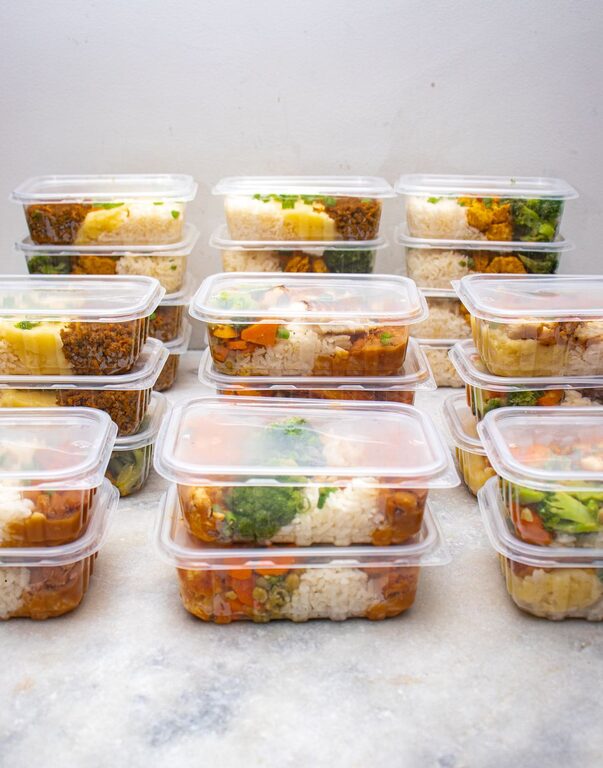
Planning balanced meals doesn’t have to be overwhelming. With a few simple strategies, you can create nutritious, delicious meals that fuel your body and fit into your busy life. Whether you’re cooking for yourself, your family, or both, these tips will help you plan meals without stress while keeping things healthy and satisfying.
What Is a Balanced Meal?
Before diving into planning, it’s helpful to understand what makes a meal balanced. A balanced meal typically includes:
– Protein: Supports muscle repair and keeps you full (e.g., chicken, beans, tofu)
– Vegetables: Provide vitamins, minerals, and fiber (e.g., leafy greens, carrots, broccoli)
– Carbohydrates: Offer energy through whole grains or starchy vegetables (e.g., brown rice, quinoa, sweet potatoes)
– Healthy Fats: Aid nutrient absorption and support brain health (e.g., avocado, olive oil, nuts)
– Optional: A small portion of fruit or dairy can also round out your meal
The goal is to combine these elements in portions that satisfy hunger and meet your dietary needs.
Step 1: Start with a Simple Framework
Trying to plan every detail at once can be stressful. Instead, start with a flexible framework for the week.
– Choose a Protein Source: Pick a few proteins to rotate, such as chicken breasts, lentils, or fish.
– Select Vegetables: Plan to include at least two kinds of vegetables per day.
– Decide on Carbs: Whole grains like brown rice or whole wheat pasta work well.
– Add Healthy Fats: Incorporate nuts, seeds, or oils in your cooking or as toppings.
Having these categories in mind helps you build meals that meet nutritional goals without overthinking.
Step 2: Use Meal Planning Tools and Templates
Several free resources can make meal planning easier:
– Printable Meal Planners: Weekly grids to jot down meals and grocery lists.
– Apps: Many apps help organize recipes and generate shopping lists based on your meals.
– Recipe Collections: Keep a folder of easy, balanced recipes you enjoy.
Using these tools helps you visualize your week and prevent last-minute decisions.
Step 3: Plan for Variety and Balance
Variety prevents boredom and ensures a range of nutrients.
– Mix Colors and Textures: Choose different colored vegetables and try crunchy, soft, or roasted options.
– Try New Recipes: Introduce one new recipe each week to expand your palate.
– Balance Portions: Aim for half your plate to be vegetables, a quarter protein, and a quarter carbs.
Balancing variety and consistency simplifies grocery shopping and meal prep.
Step 4: Batch Cook and Prep Ahead
Preparing some ingredients or meals in advance saves time and reduces stress during busy days.
– Cook Grains in Bulk: Make a large batch of rice or quinoa and store it in the fridge.
– Chop Vegetables: Wash and cut veggies for easy access.
– Prepare Proteins: Grill or bake proteins that can be used in multiple meals.
– Use Leftovers Creatively: Turn leftover protein and vegetables into wraps, salads, or stir-fries.
Batch cooking keeps your fridge stocked with building blocks for balanced meals.
Step 5: Keep Healthy Staples on Hand
Stock your pantry and fridge with essentials to support quick meal assembly.
Some items to keep include:
– Canned beans and tomatoes
– Frozen vegetables and fruits
– Whole grain pasta and rice
– Olive oil and vinegar
– Nuts, seeds, and nut butters
– Herbs and spices for flavor
Having these basics ready helps you create balanced meals, even on short notice.
Step 6: Listen to Your Body and Adjust
Meal planning is flexible. It’s okay to swap meals based on hunger, preferences, or availability.
– Notice how different meals make you feel.
– Adjust portion sizes or ingredients as needed.
– Include treats occasionally to maintain a positive relationship with food.
Being mindful keeps meal planning positive rather than stressful.
Sample Balanced Meal Ideas
Here are a few simple meal ideas to inspire your planning:
– Grilled chicken with quinoa, steamed broccoli, and a drizzle of olive oil
– Lentil soup with carrots, celery, and a side salad
– Baked salmon, roasted sweet potatoes, and sautéed spinach
– Stir-fry tofu with mixed vegetables and brown rice
– Whole grain pasta with tomato sauce, lean ground turkey, and a side of green beans
Final Tips for Stress-Free Meal Planning
– Set Aside Time Weekly: Dedicate 20-30 minutes to plan your meals.
– Be Realistic: Choose recipes suited to your cooking skill and schedule.
– Stay Organized: Keep your kitchen tidy and tools handy.
– Involve Family: Get input and share meal prep duties when possible.
– Keep It Fun: Try new ingredients or cooking methods occasionally.
Planning balanced meals doesn’t need to be complicated. With these easy-to-follow steps, you can enjoy nutritious food that supports your lifestyle without added stress. Happy cooking!